admin

admin

Making L-Carnitine Production Cleaner with Electrodialysis Technology
Efficient desalination is an important step in L-Carnitine production. How can manufacturers reduce salt content while minimizing chemical consumption and wastewater generation? LANRAN’s Electrodialysis (ED) technology provides an effective approach. In an L-Carnitine production process in Taizhou, Jiangsu, China, the…
LANRAN Is Heading to InterBattery 2027!

As a leading global platform for the battery industry, InterBattery brings together industry leaders and innovators to explore the latest technologies and shape the future of energy. We’re excited to announce that LANRAN will be exhibiting at InterBattery 2027! With…

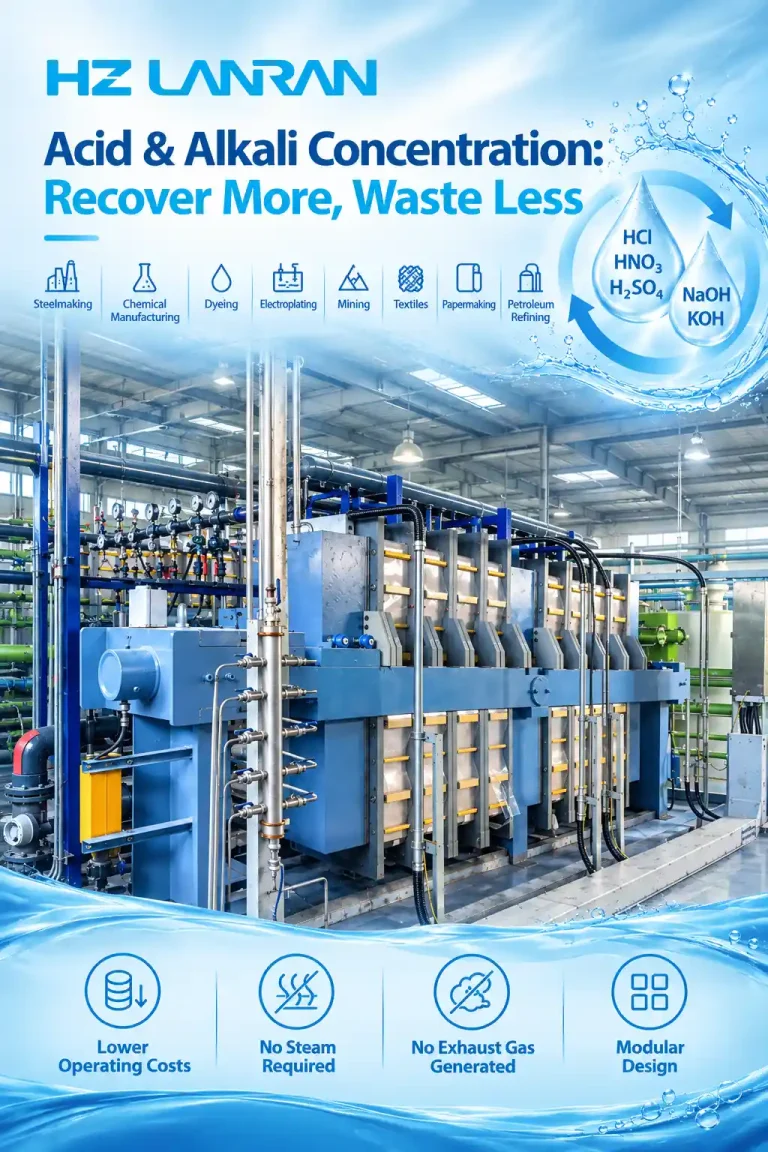
Acid & Alkali Concentration: Recover More, Waste Less

Many industries generate acidic and alkaline wastewater during production. Common sources include steelmaking, chemical manufacturing, dyeing, electroplating, mining, textiles, papermaking, and petroleum refining. These wastewater streams often have different acid and alkali levels. In addition, they may contain dissolved salts,…

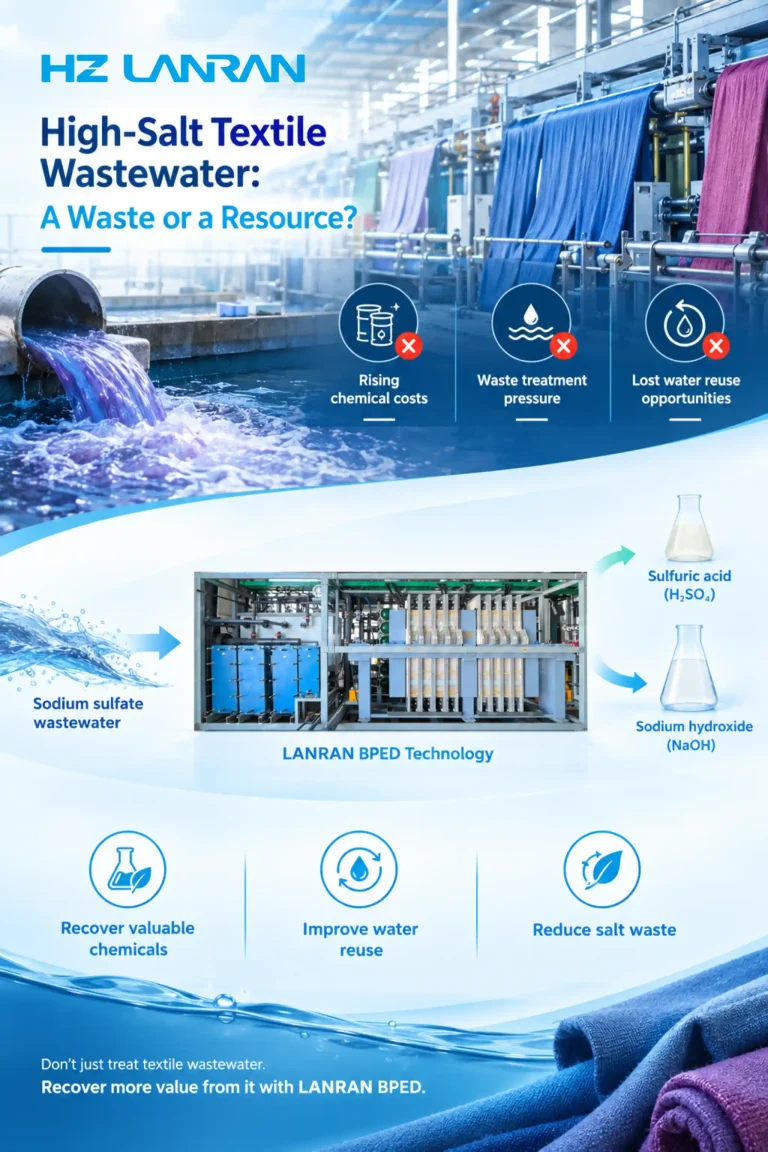
High-Salt Textile Wastewater: A Waste or a Resource?

For textile dyeing and finishing plants, high-salt wastewater brings three major challenges: ❌ Higher chemical costs — Plants need fresh acid and alkali for production. Meanwhile, valuable salts in wastewater go unused. ❌ Waste treatment pressure — High salt levels…

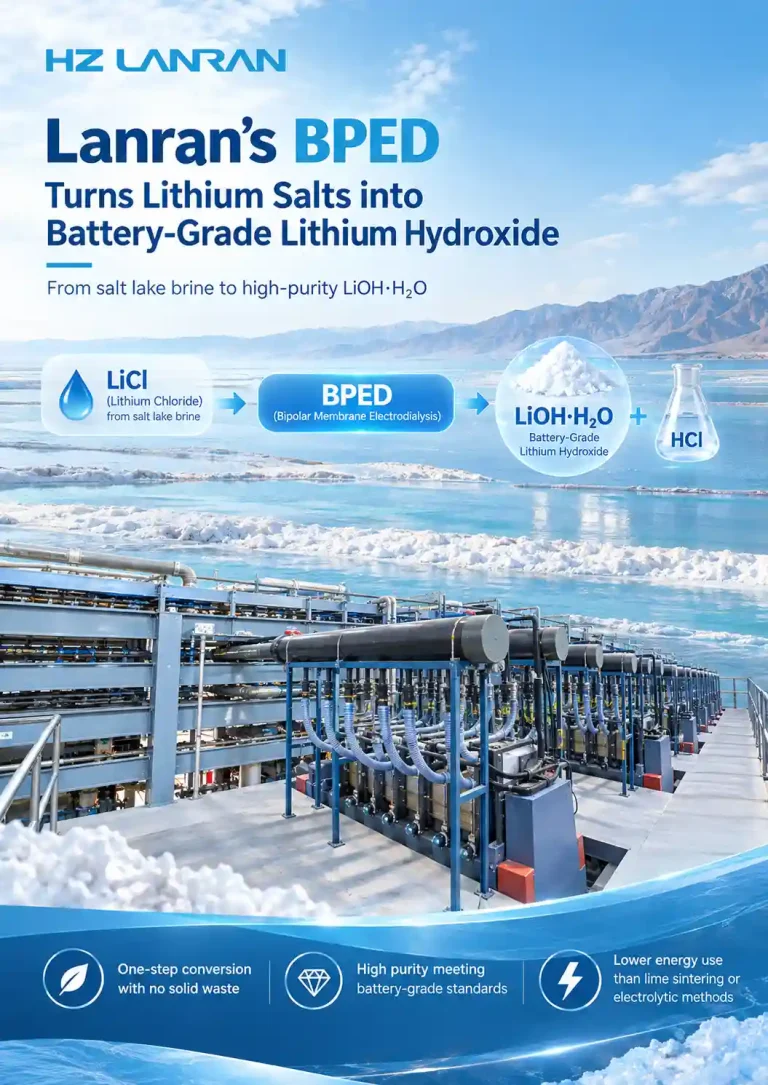
From Lithium Salts to Battery-Grade Lithium Hydroxide

As demand for lithium-ion batteries grows, efficient lithium processing is becoming increasingly important. LANRAN’s Bipolar Membrane Electrodialysis (BPED) technology converts lithium salts into lithium hydroxide monohydrate (LiOH·H₂O), with valuable acids recovered as by-products. ♻️ One-step conversion. High product purity. Lower…

β-Alanine Desalination with LANRAN Two-Stage Electrodialysis

β-Alanine is an amino acid used in applications such as sports nutrition. In its production process, effective desalination is important for meeting downstream processing requirements. Recently, LANRAN partnered with a high-tech pharmaceutical enterprise specializing in functional sugars and sugar alcohols…

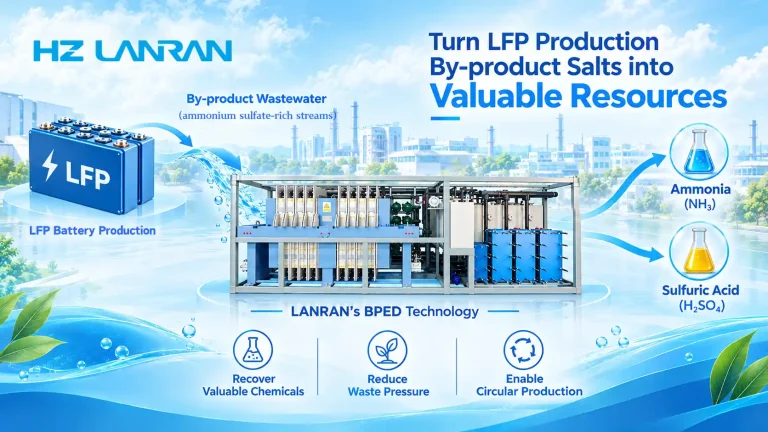
Ammonium Sulfate Recovery from LFP Battery Production with BPED Technology

Converting By-products into Reusable Chemical Resources Lithium iron phosphate (LFP) batteries are widely used in electric vehicles and energy storage systems. During iron phosphate precursor production, certain manufacturing processes generate ammonium sulfate-rich by-product streams, creating challenges in waste management and…

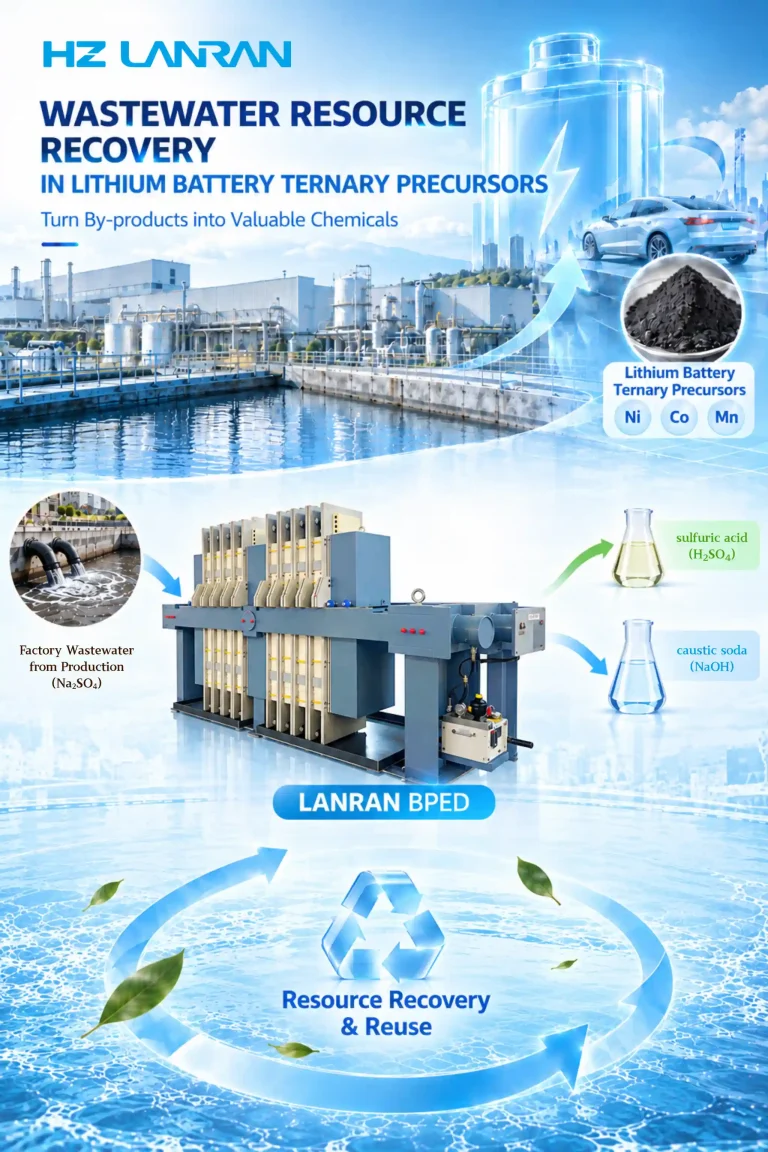
Sodium Sulfate Recovery from Ternary Precursor Production with BPED Technology

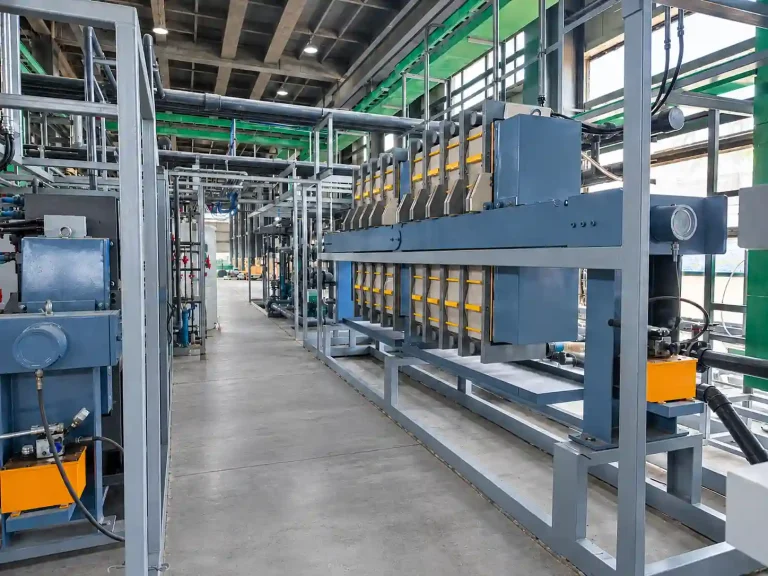
Converting By-products into Reusable Chemicals NCM (nickel-cobalt-manganese)Ternary precursor production for lithium-ion batteries generates sodium sulfate (Na₂SO₄) as a by-product. Managing this salt stream while reducing chemical procurement costs is an important challenge for manufacturers. LANRAN’s Bipolar Membrane Electrodialysis (BPED) technology…

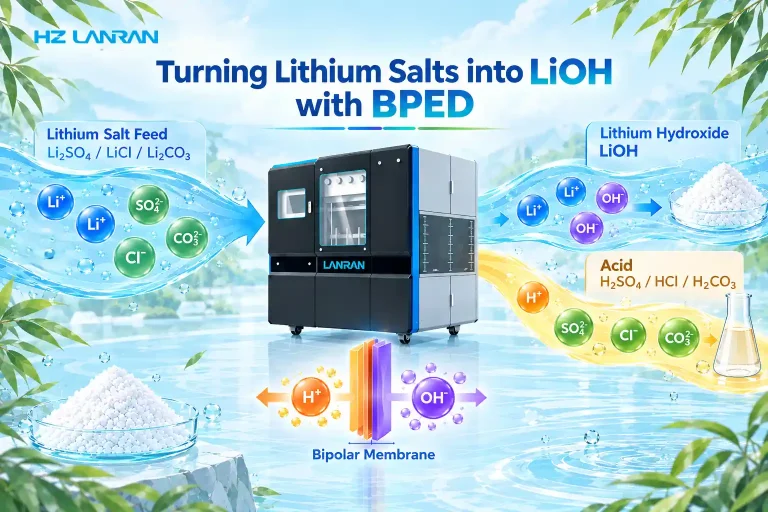
𝐓𝐮𝐫𝐧𝐢𝐧𝐠 𝐋𝐢𝐭𝐡𝐢𝐮𝐦 𝐒𝐚𝐥𝐭𝐬 𝐢𝐧𝐭𝐨 𝐋𝐢𝐭𝐡𝐢𝐮𝐦 𝐇𝐲𝐝𝐫𝐨𝐱𝐢𝐝𝐞 𝐰𝐢𝐭𝐡 𝐁𝐏𝐄𝐃

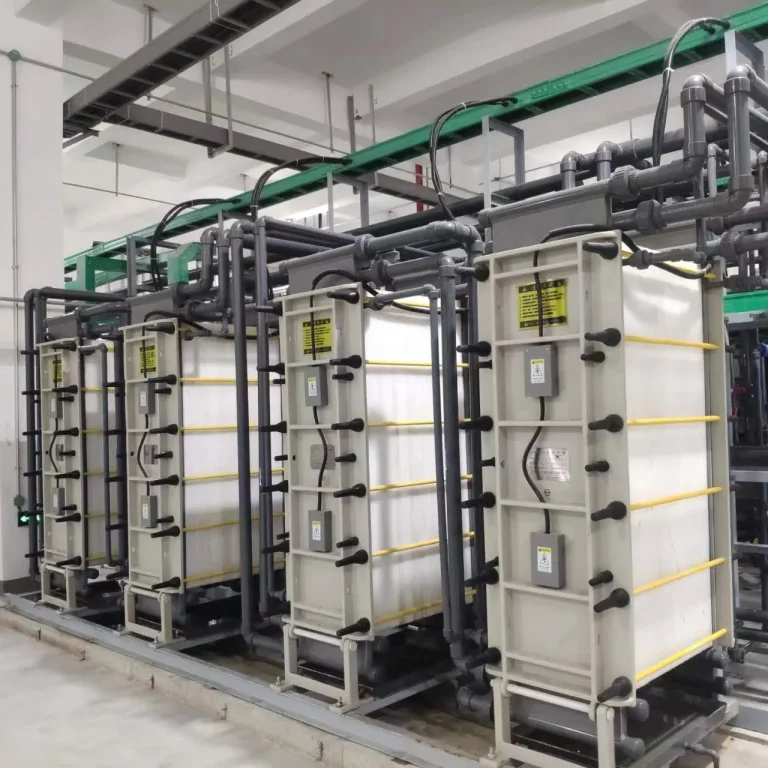
As lithium production expands, efficient processing and resource recovery are becoming increasingly important. LANRAN’s Bipolar Membrane Electrodialysis (BPED) technology enables the conversion of lithium salts into lithium hydroxide through a membrane-based process. From lithium sulfate, lithium chloride, and lithium carbonate…